
RollingGo Debuts at the 2026 Inclusion Conference on the Bund, Redefining the Next Generation of Travel
In September, along the Huangpu River, AI stopped being a parameter count at product launches or a novelty demo on a screen. It started taking work off people's hands, and people started expecting it to take more, right up to getting a trip properly booked.
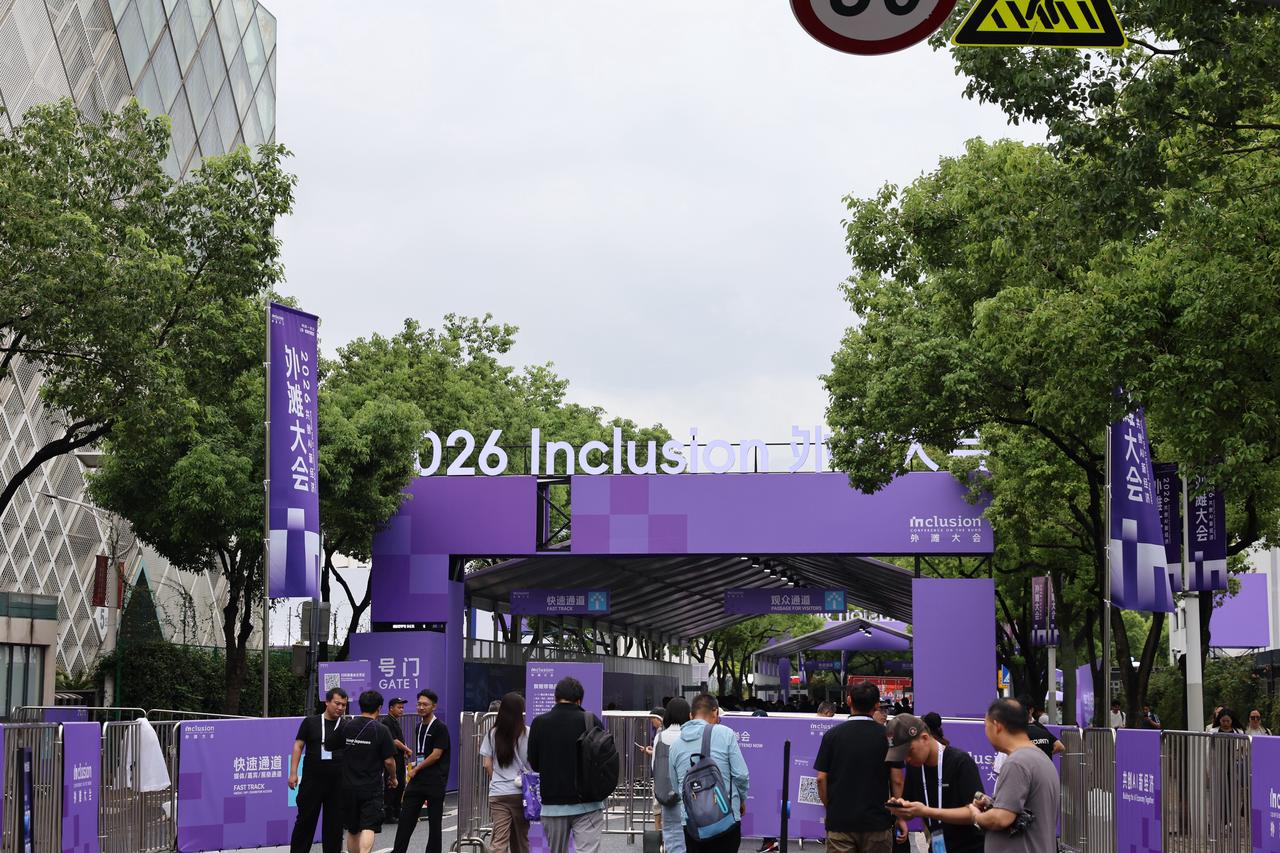
From September 9 to 12, the 2026 Inclusion Conference on the Bund, themed "Co-creating the New AI Economy," took over the Expo site in Huangpu, Shanghai. More than 78,000 visits from over 50 countries and regions. Over 300 tech companies demonstrating AI at work in healthcare, payments, finance, retail, and daily services. For the first time, agents were the conference's central topic.
RollingGo was there as a global travel resource distribution platform. Our booth carried a single line: Hotel MCP: turning AI recommendations into hotel bookings.
Over four days, the booth never stopped drawing a crowd. After the halls emptied on the last night, we wrote down every question we had been asked and every expectation we had heard. The four takeaways below are not in any product deck. They happened at the booth.
1. What people lined up to hand over was the work before the trip
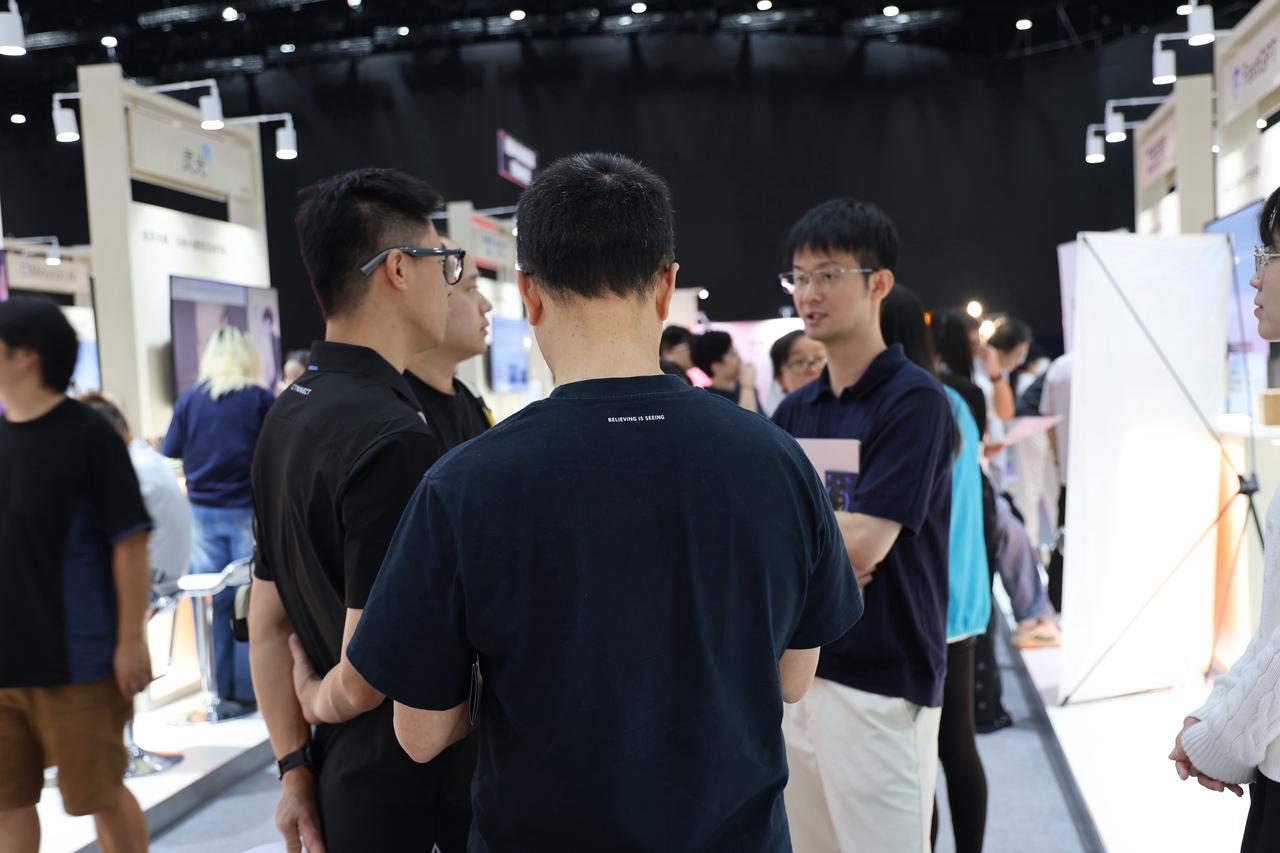
The demo was simple on purpose. A visitor says what they need in one sentence. The agent calls RollingGo Hotel MCP on its own: parses the destination, searches and filters hotels, compares live rates, pulls up room types, and places the order. One sentence, and the hotel is booked.
One visitor said: "So AI can actually book the hotel for me, not just recommend where to stay."
We have thought about that line a lot. There has never been a shortage of travel guides. What is scarce is getting the booking done. A normal hotel booking means searching, filtering, comparing prices, and checking policies across three to five apps. Add flights and tickets, and the decision cost compounds. One survey put pre-trip planning for a long journey at six to eight hours on average, with more than half of that burned on price comparison and fact-checking. It is the least romantic part of any trip.
Over four days, countless people at the booth were really asking the same thing: can AI take this off my plate? One product manager put it bluntly: "I don't lack information. I lack someone who can turn information into a decision."
The last decade of travel tech solved the problem of going from no information to plenty of it. The next decade has to solve the reverse: turning abundant options into a decision that has already been made for the traveler. Not more choices handed to users. The choice, completed for them.
If people were amazed by the technology, it was less about novelty than about how long they had waited for this. The pain was never imagined into existence. Visitors named it to us, over and over, at the booth.
2. AI glasses, earbuds, robots, and chat agents came looking for us
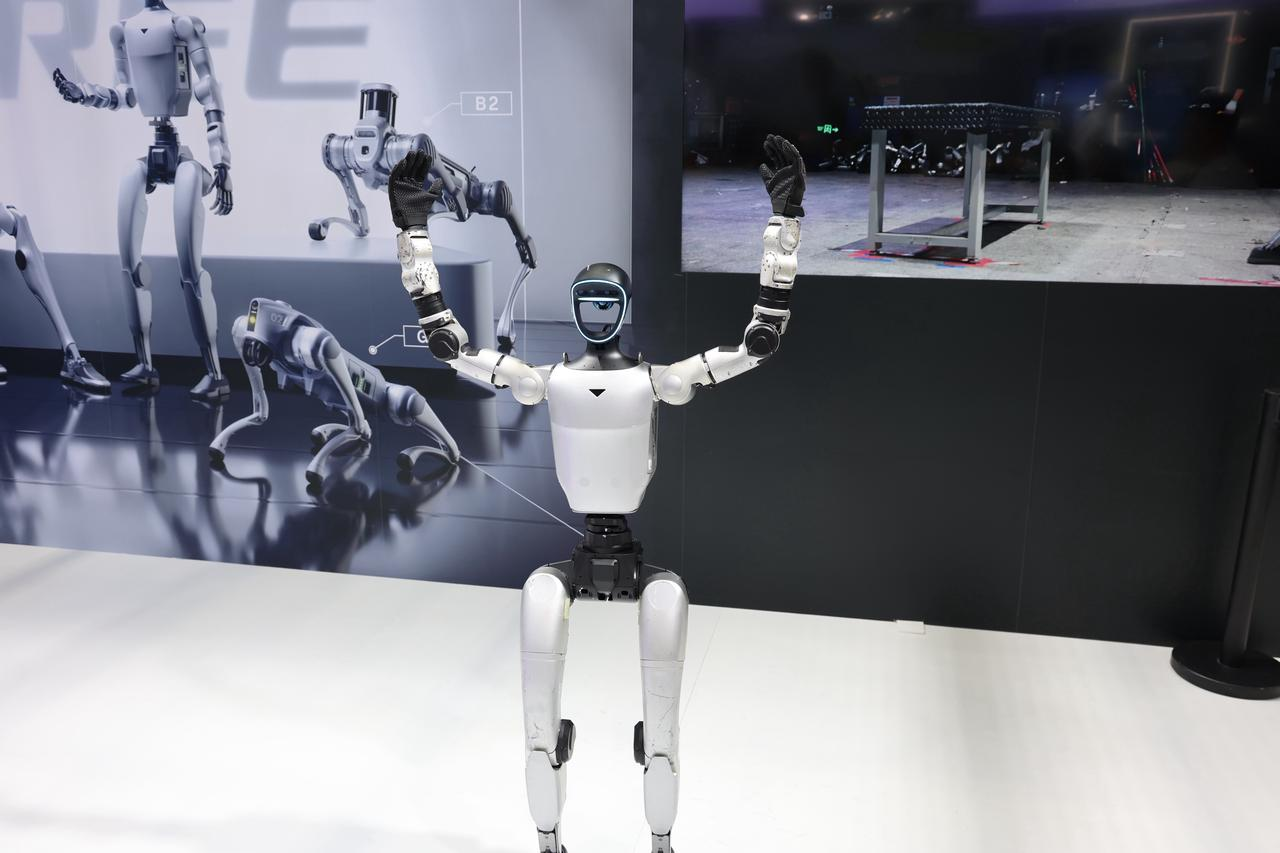
Another group of visitors left a strong impression: partners building AI glasses, AI earbuds, service robots, and conversational agents, arriving in groups. Their products already had an entry point and an interface. What they lacked was a backend that could actually execute.
Behind that is a shift already underway: the entry points to travel are multiplying.
For a decade, booking lived almost entirely in phone apps. Now AI glasses, AI earbuds, smart cockpits, service robots, and conversational agents are all becoming entry points. Every one of them is missing the same thing: an open resource interface that can complete a transaction.
That is what the MCP protocol is for. Integrating a hotel supplier through a traditional API takes two to four weeks: hundreds of pages of documentation, authentication flows, format adaptation. Over MCP, one API key gives an agent the full chain from search to booking, with tools discovered and invoked at runtime. MCP turns integration into a sentence, and returns the barrier to innovation to the people building new entry points.
3. Every partner conversation landed on the same three words
Once the demos wrapped and the real conversations started, partners kept circling back to the same three things: inventory, price, and support.
Do you actually have the rooms? Do the rates survive a price check? When an order breaks at 2 a.m., is there a human on the other end?
It's the part of the AI story the demos don't show. The more standardized the interface and the more entry points there are, the more the value concentrates behind the interface. An agent can talk all day, but where the order lands still comes down to real rooms, competitive rates, and someone answering when things go wrong.
That's what RollingGo Hotel MCP is actually built on: 2M+ hotel properties across 100+ countries and regions, including 110,000+ under direct contract. Live availability and pricing, not cached data — so every promise an agent makes is backed by bookable inventory. The project is fully open source on GitHub, free, with no call-volume caps, and already listed on Alibaba Cloud Bailian, ByteDance Coze, Tencent Cloud, ModelScope, and LobeHub for one-click integration.
As our team put it on site: agents are moving from chatting to doing, and travel is one of the most natural places for that shift to land. The mission of RollingGo Hotel MCP is to package the world's hotel supply into something an agent can call directly.
AI is changing how travel is connected, not how travel is sold. The business fundamentals — inventory, price, and someone to call when things break — haven't moved.
4. Tourism boards are waiting for an agent that closes the loop
Our fourth takeaway came from regional tourism boards. Several visited during the conference, and their situation is remarkably consistent: they've embraced AI and built their own agents — the inspiration, the guides, the tour narration. The pipeline is there. The last step isn't.
An agent that can't book is a brochure with a voice.
That's the honest state of most tourism-board agents today: great at "what should I see?" and "which route works?", frozen the moment a user says "book the hotel and the tickets for me." The cost of that gap is brutal. Users get inspired inside the agent, then walk back to the OTA they already trust to pay. The data walks out with them.
What these teams need isn't another showcase mini-program. It's a loop — inspiration, planning, booking, in-trip, post-trip — inside one agent. Booking is the hard part, because it requires transactable supply, not generated text. Through MCP, a tourism-board agent gets real-time search and booking across 2M+ hotels with a single API key. The talking brochure becomes an assistant.
That's the work we intend to keep doing.
The booth came down. The interface didn't.
For four days, that venue was full of AI doing real work — in healthcare, finance, retail, daily life. Every booth told versions of the same story: AI moving from answering questions to solving them, from providing information to completing transactions.
Strip away the noise, and what we brought home is plain: the new AI economy is moving from concept into industry. Agents are moving from chat to execution. And travel is the place where that shift touches the most people.
So we'll keep doing the unglamorous things: signing every direct contract, keeping every rate and room status live, picking up every support call. New entry points will keep showing up; tonight has exactly one of them. Scripts can iterate forever. Inventory and trust can't.
RollingGo will keep expanding coverage — hotels, flights, and beyond — deepening MCP support and working with more AI platforms and developers to build an open travel AI ecosystem, so the world's travel supply is within reach.
The booth is packed. The interface is live.
See you at the Bund next year.